
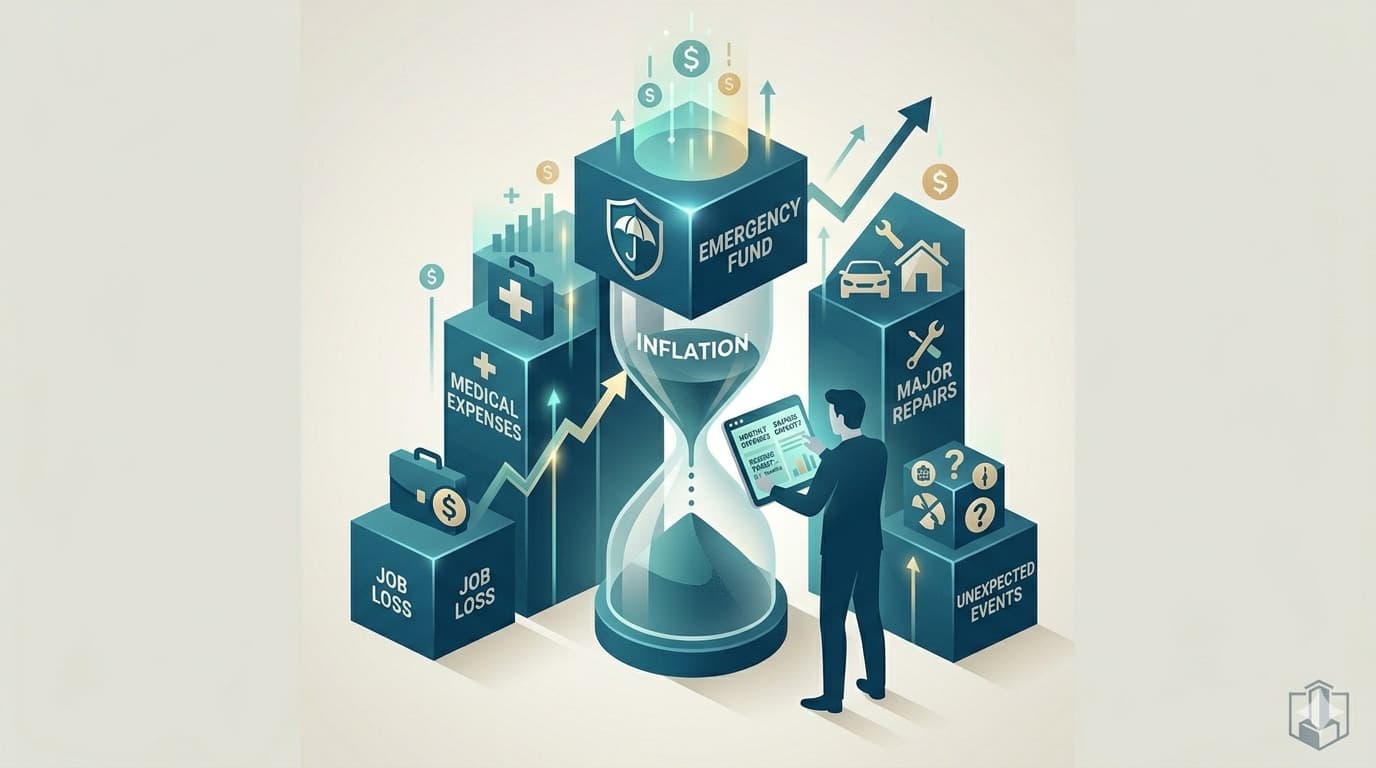
Life is full of unexpected twists and turns. From sudden job loss to medical emergencies or urgent home repairs, these unforeseen events can quickly derail your financial stability if you're not prepared. That's where an emergency fund comes in. It's your crucial financial safety net, designed to protect you from life's curveballs without resorting to high-interest debt.
In this article, we'll break down exactly what an emergency fund is, guide you on how to determine the optimal emergency fund size for your personal situation, and provide actionable steps to build and maintain this vital cash reserve. Get ready to gain the peace of mind that comes with true financial security.
What Exactly Is an Emergency Fund?
At its core, an emergency fund is a dedicated savings account holding easily accessible cash, specifically set aside for unexpected financial challenges. Think of it as your personal financial shield against life's unpredictable moments. Unlike a regular savings account you might tap for a down payment or vacation, an emergency fund has one singular, critical purpose: to cover essential expenses during a crisis.
It's distinct from other savings because it prioritizes liquidity and safety over high returns. While you might keep investment funds in stocks or bonds, your emergency fund should be in a highly liquid account, like a high-yield savings account, ensuring you can access it immediately without penalty or market risk. This dedicated cash reserve is foundational for true financial safety.
How Much Cash Reserve Do You Truly Need? (The "3-6 Months Expenses" Rule)
The most common guideline for your emergency fund size is to save enough to cover 3-6 months expenses. This range provides a flexible framework, acknowledging that individual circumstances vary widely. For most people, aiming for the higher end of this range (6 months) offers a more robust financial safety net, especially in uncertain times.
When calculating this, it's crucial to focus on essential monthly expenses, not your entire income or discretionary spending. This includes:
- Housing (rent/mortgage)
- Utilities (electricity, water, internet)
- Groceries
- Transportation (car payment, fuel, public transport)
- Insurance premiums (health, auto, home)
- Minimum debt payments
Exclude things like dining out, entertainment subscriptions, or luxury purchases. The goal is to cover the bare necessities to keep a roof over your head and food on the table during a crisis.
Factors Influencing Your Ideal Emergency Fund Size
While 3-6 months expenses is a great starting point, your personal circumstances might push you towards the lower or higher end of that spectrum. Consider these factors:
- Job Security: Do you work in a stable industry with high demand, or a volatile field? Those in less secure jobs might aim for 6+ months.
- Health & Dependents: If you or a family member have chronic health issues, or you have dependents relying solely on your income, a larger fund provides critical peace of mind.
- Income Stability: Is your income salaried and consistent, or commission-based and variable? Variable incomes often warrant a larger buffer.
- Household Structure: Single-income households are generally more vulnerable to job loss than dual-income households where one income could temporarily sustain the family.
- Debt Load: While an emergency fund shouldn't be used to pay off consumer debt, a high debt load makes any income disruption more precarious, potentially calling for a larger reserve.
- Insurance Coverage: Robust health, disability, and unemployment insurance can slightly reduce the immediate need for a massive cash reserve, but never negate it.
For example, a single parent with a variable income and few benefits should likely aim for 6-9 months of expenses. Conversely, a dual-income household with stable jobs and good benefits might feel comfortable with 3-4 months.
What Counts as an Emergency (and What Doesn't)?
Understanding what constitutes a true emergency is key to effectively using and maintaining your fund. This distinction helps you preserve your financial safety net for when it's genuinely needed.
Legitimate Emergencies:
- Job Loss/Reduction in Income: This is the most common reason people tap into their fund, covering living expenses until new employment is secured.
- Medical Emergency: Unexpected hospital stays, surgeries, or high deductibles not fully covered by insurance.
- Urgent Home Repairs: A burst pipe, furnace breakdown in winter, or roof damage that impacts habitability or safety.
- Essential Car Repairs: If your vehicle is critical for work or daily life, a major repair (e.g., transmission, engine) qualifies.
- Unexpected Travel: Emergency travel for a family crisis (e.g., funeral, critical illness).
Non-Emergencies (Things Your Emergency Fund Is NOT For):
- Planned Expenses: A vacation, holiday gifts, or a down payment on a house – these should be saved for separately.
- Investment Opportunities: Using your emergency fund to "buy the dip" in the stock market is a high-risk gamble with your financial security.
- Cosmetic Home Upgrades: Remodeling your kitchen or painting a room is a want, not an emergency.
- Discretionary Purchases: A new gadget, concert tickets, or a fancy dinner are not emergencies, no matter how much you "need" them.
- Credit Card Debt Payments (Unless Preventing Default): While paying off high-interest debt is crucial, using your only emergency fund might leave you vulnerable to the next crisis. Focus on paying it off with regular income first.
Building Your Emergency Fund: Practical Steps
Starting an emergency fund might seem daunting, especially if you're on a tight budget. But every dollar counts, and consistency is more important than the amount you start with.
Here are actionable steps to build your cash reserve:
- Set a Clear Goal: Use the "3-6 months expenses" guideline and the factors above to calculate your target emergency fund size. Write it down.
- Create a Dedicated Account: Open a separate high-yield savings account (HYSA) at a different bank from your primary checking account. This makes it harder to dip into impulsively and often earns a bit more interest. Ensure it's easily accessible (no penalties for withdrawal).
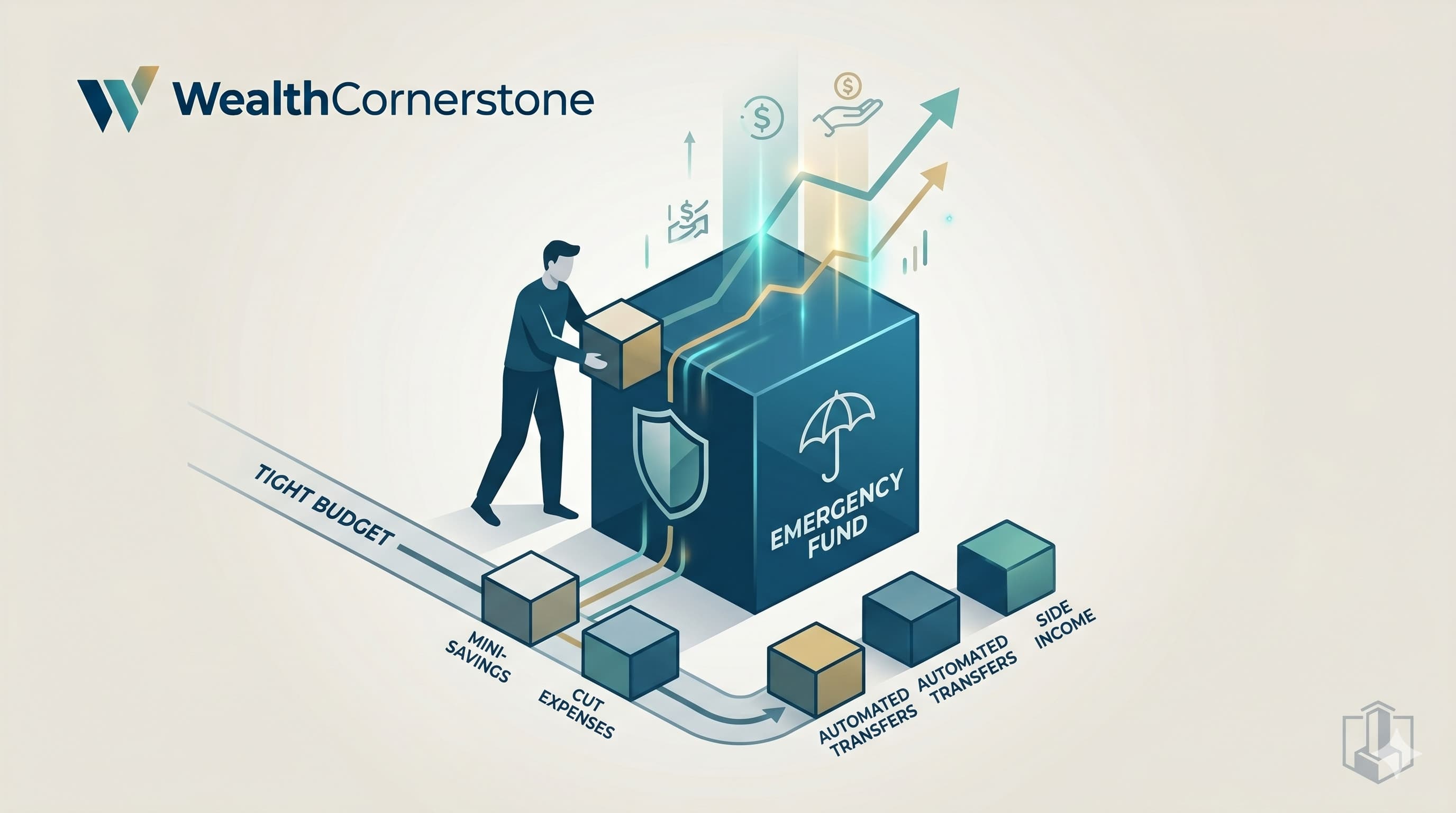
- Automate Your Savings: Set up automatic transfers from your checking account to your emergency fund every payday. Even $25 or $50 a week adds up quickly. Treat this transfer like a non-negotiable bill.
- Cut Non-Essential Expenses: Review your budget for areas where you can temporarily cut back. Could you cancel unused subscriptions, cook more at home, or pause certain hobbies for a few months to funnel extra cash into your fund?
- Boost Your Income: Consider taking on a side hustle, selling unused items, or picking up extra shifts to accelerate your savings. Every additional dollar earned and saved gets you closer to your goal.
- Apply Windfalls Wisely: Tax refunds, bonuses, or unexpected gifts are excellent opportunities to give your emergency fund a significant boost. Resist the urge to spend them.
- Example Scenario: Sarah, a recent graduate, lives on $2,500/month in essential expenses. Her goal is $7,500 (3 months). She automates $100 from each bi-weekly paycheck, sells old electronics for $300, and puts her $500 tax refund directly into her emergency fund. In just a few months, she's well on her way.
Maintaining and Replenishing Your Financial Safety Net
Building your emergency fund is a significant achievement, but the work doesn't stop there. This financial safety net requires ongoing attention.
- Replenish After Use: If you have to tap into your emergency fund for a legitimate crisis, make it your top financial priority to rebuild it as quickly as possible. Treat the depleted amount like a new debt you need to pay off, but to yourself.
- Review Annually: Life changes. Your expenses might increase, you might have a child, or your job situation could evolve. At least once a year, review your emergency fund size against your current essential expenses and adjust your target if needed.
- Keep It Liquid, Not in Investments: Remember, the primary purpose is immediate access and capital preservation, not growth. Resist the temptation to invest these funds in volatile assets, even during periods of low interest rates. The peace of mind of readily available cash outweighs minimal investment returns for this particular fund.
A well-maintained emergency fund is a cornerstone of robust personal finance, providing a cushion that safeguards your present and future financial goals.
Conclusion
An emergency fund isn't just another savings account; it's a critical component of your financial well-being, offering unparalleled financial safety against life's unpredictable events. By understanding what it is, committing to saving 3-6 months expenses (or more, depending on your situation), and diligently distinguishing between wants and true emergencies, you empower yourself to navigate crises without incurring debt or derailing your long-term goals.
Start today by setting your target emergency fund size, opening a dedicated account, and automating your contributions. The peace of mind that comes from having a solid cash reserve is invaluable – it's the foundation upon which all other financial aspirations can confidently be built.
Frequently Asked Questions
What exactly counts as an "expense" when calculating 3–6 months of coverage?
Use your essential monthly outflows only — housing (rent or mortgage), utilities, groceries, transportation, insurance premiums, minimum debt payments, and any childcare or medical costs. Do not include savings contributions, dining out, subscriptions, or entertainment. The emergency fund is designed to keep your household running at a sustainable baseline, not to maintain your full lifestyle. A household spending $5,000/month in total might have only $3,200 in genuine essential expenses — meaning a 6-month emergency fund requires $19,200, not $30,000.
Is it safe to keep my emergency fund in a money market account?
Yes — a money market account at an FDIC-insured bank is a suitable emergency fund home, equivalent to a high-yield savings account for this purpose. Both provide deposit insurance, competitive interest rates, and same-to-next-day accessibility. The key distinction: a money market fund at a brokerage (not a bank) is not FDIC-insured and may briefly break below $1 per share in extreme market stress, making it marginally less safe for emergency purposes. Stick to bank-based money market accounts or high-yield savings accounts.
My emergency fund is earning 4.5% APY — should I invest some of it instead?
No. The emergency fund's purpose is capital preservation and immediate liquidity, not return maximization. The 4.5% rate you see in high-yield savings is exceptional by historical standards and will eventually decline. Even if stocks historically return more, they can lose 30–50% of value in the exact economic shock (recession, job loss) that triggers emergency fund use. The correlation is backwards — when you most need the money, markets are most likely to be down. Keep the full emergency fund in cash equivalents and invest separately with money you do not need within 1–3 years.
Further Reading
- How to Open a High-Yield Savings Account — find the best home for your emergency fund and earn competitive interest while keeping it accessible.
- Savings Account vs Money Market Account: Which Is Better? — compare your two best options for holding emergency cash.
- Should You Pay Off Debt or Invest First? — once your emergency fund is in place, decide where your next dollar goes.