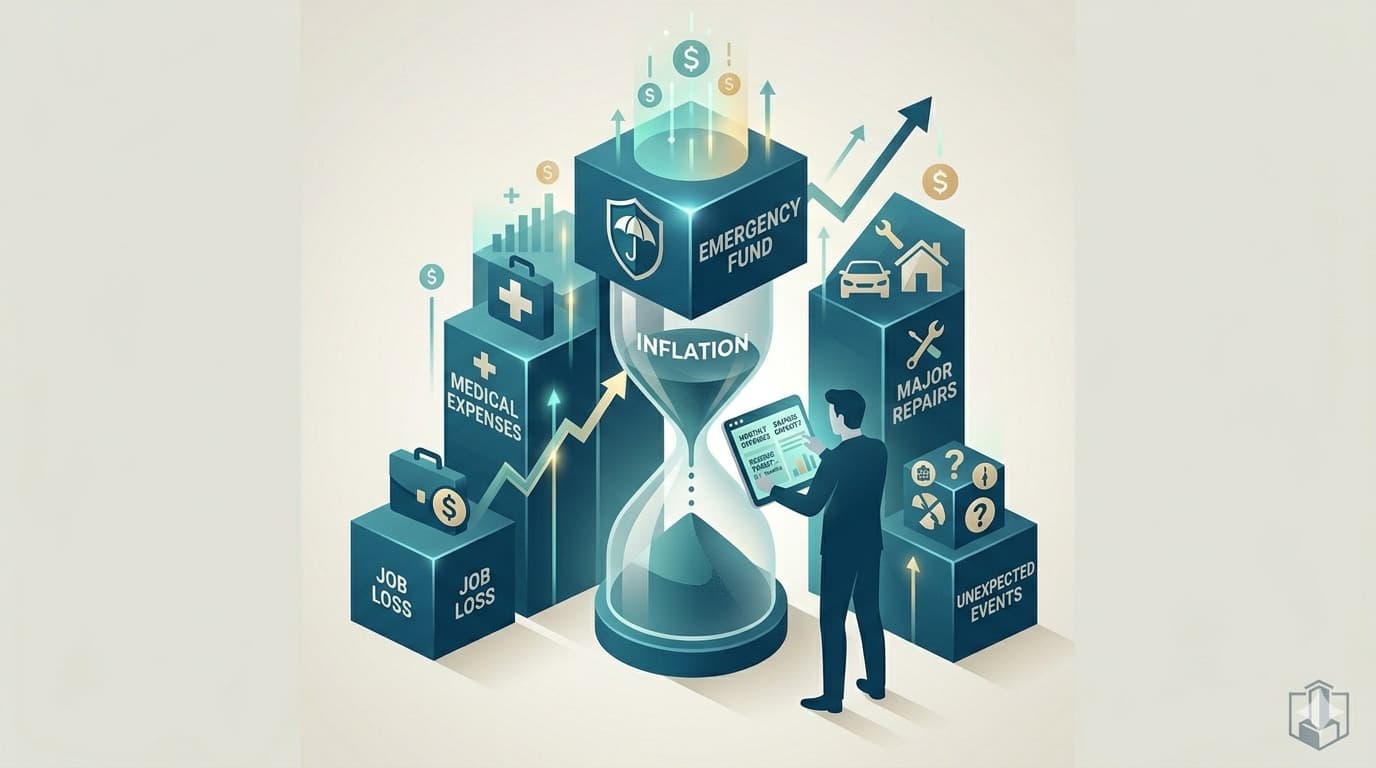

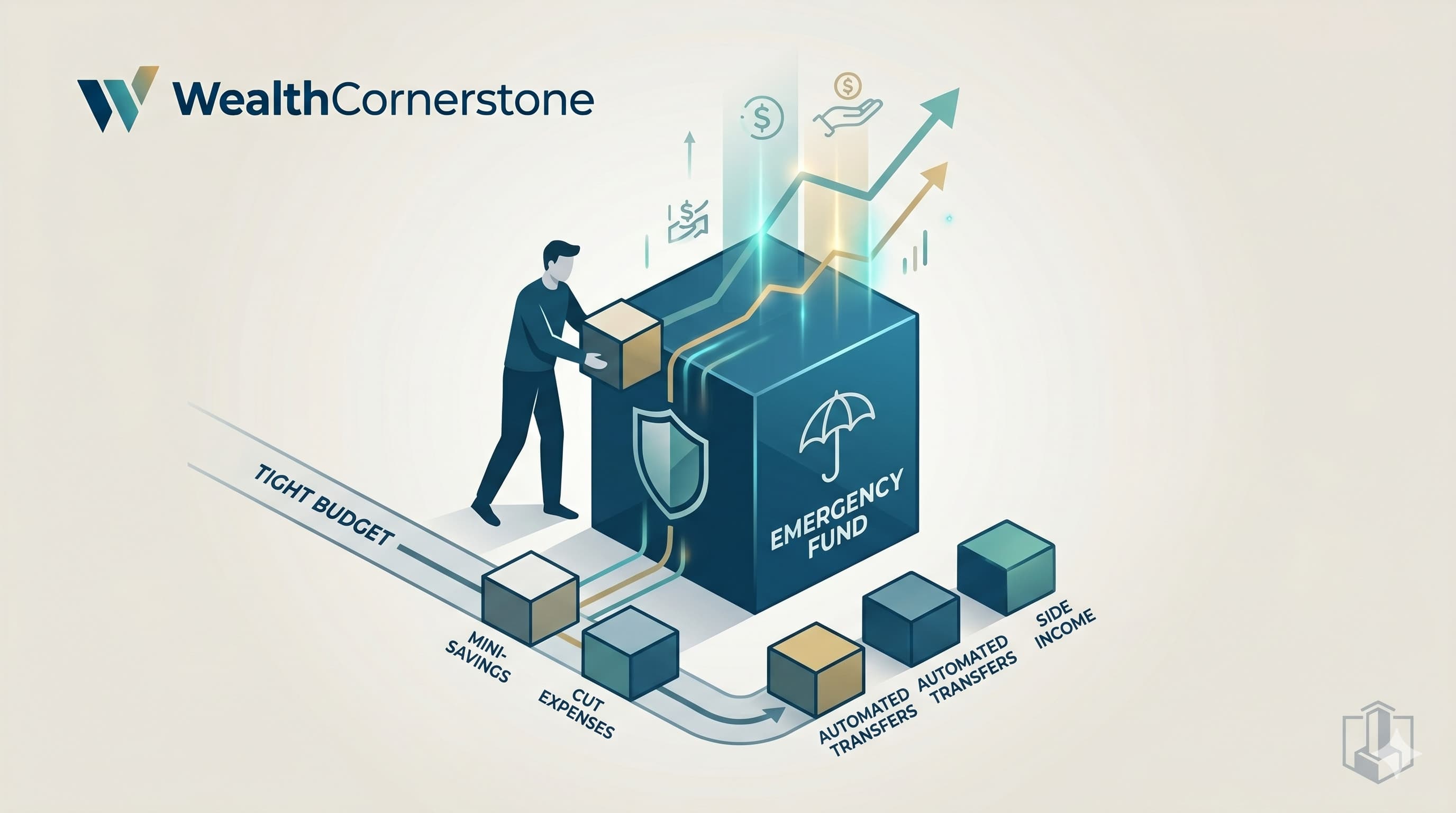
Life is unpredictable. From an unexpected car repair to a sudden medical bill or even a temporary job loss, financial surprises can derail your stability faster than you can say "budget." This is where an emergency fund comes in – it's your financial safety net, designed to catch you when life throws a curveball. Many people believe building such a fund is impossible on a tight budget, but with smart personal finance strategies and actionable savings tips, it's not only possible but essential.
An emergency fund typically covers 3 to 6 months of your essential living expenses. While that might sound daunting, especially when every dollar feels accounted for, this article will walk you through practical steps to start, grow, and maintain your emergency cushion, regardless of your current income.
Understanding Your "Tight Budget" Reality
The first step to building any savings, let alone an emergency fund, is to truly understand your financial landscape. You can't optimize what you don't measure.
The Power of a Detailed Budget
Before you can start saving, you need to know exactly where your money is going. This involves tracking every dollar that comes in and goes out. Many free apps (like Mint, YNAB, or even a simple spreadsheet) can help you categorize your spending.
Fixed vs. Variable Expenses: A Quick Breakdown
| Expense Type | Definition | Examples | Flexibility |
|---|---|---|---|
| Fixed Expenses | Costs that remain the same each month. | Rent/Mortgage, Loan Payments, Insurance Premiums | Very low; difficult to change short-term. |
| Variable Expenses | Costs that fluctuate based on usage or choices. | Groceries, Utilities, Dining Out, Entertainment | High; easy to adjust month-to-month. |
Identifying your variable expenses is key to finding areas where you can trim. Are you spending more than you realize on daily coffees, streaming services you barely watch, or eating out? These small "leaks" can add up significantly over time.
Squeeze Every Dollar: Practical Savings Strategies
Once you have a clear picture of your finances, it's time to find ways to create more breathing room in your budget, even if it feels like there isn't any.
Slash Unnecessary Expenses
This is where your detailed budget becomes a powerful tool. Look for anything you can reduce or eliminate without significantly impacting your quality of life.
- Review Subscriptions: Cancel unused gym memberships, streaming services, or apps. Even $10-$20 a month adds up.
- Negotiate Bills: Call your internet, cable, or cell phone provider and ask for a better rate. Loyalty often pays off, and sometimes just asking can get you a discount.
- Cook at Home More: Eating out, even fast food, is almost always more expensive than preparing meals at home. Meal prepping can save time and money.
- Reduce Utility Consumption: Turn off lights, unplug electronics, take shorter showers, and adjust your thermostat.
- Embrace Frugal Entertainment: Instead of paid activities, consider free parks, libraries, hiking, or potluck dinners with friends.
Boost Your Income, Even Slightly
Beyond cutting costs, finding ways to bring in extra money can accelerate your emergency fund growth. Even small amounts make a difference.
- Side Hustles: Consider gig work like ridesharing, food delivery, freelancing (writing, graphic design, web development), or virtual assistant tasks.
- Sell Unused Items: Declutter your home and sell clothes, electronics, furniture, or collectibles on platforms like eBay, Facebook Marketplace, or local consignment shops.
- "Found Money" Strategies: Redirect unexpected windfalls directly to your emergency fund. This could include tax refunds, work bonuses, gifts, or even a small inheritance.
Automate Your Emergency Fund Contributions
The "pay yourself first" principle is incredibly effective for building savings. By automating your contributions, you remove the temptation to spend the money and ensure consistent progress.
Set Up Automatic Transfers
Even if it's just $5 or $10 a week, set up an automatic transfer from your checking account to a dedicated savings account on payday. You'll be surprised how quickly these small, consistent deposits accumulate. For example, saving just $25 per week adds up to over $100 per month, or $1,300 in a year!
Separate Your Emergency Fund Account
It's crucial to keep your emergency fund separate from your everyday checking and savings accounts. This prevents accidental spending and reinforces its specific purpose.
Look for a high-yield savings account (HYSA) for your emergency fund. While interest rates fluctuate, HYSAs typically offer better returns than traditional savings accounts, meaning your money can grow a little faster. Ensure the account is easily accessible in a true emergency but not so easy that you're tempted to dip into it for non-emergencies.
Strategize Your Savings: The "Snowball" Approach
Just like tackling debt, building an emergency fund can benefit from a "snowball" approach – start small, gain momentum, and build confidence.
Start Small, Celebrate Milestones
Don't wait until you can save hundreds of dollars a month. Start with whatever you can: $10, $20, $50. The goal is to build the habit. As you hit milestones, celebrate them (without spending your savings!). Your first $100, then $500, then $1,000 are all significant achievements that build momentum and motivation.
Redirect Windfalls and "Found Money"
One of the fastest ways to supercharge your emergency fund is to dedicate any unexpected income directly to it. These are funds you weren't relying on for your regular budget, so you won't feel their absence.
Here are common examples of windfalls to save:
- Tax refunds
- Work bonuses or commissions
- Unexpected gifts (cash, gift cards converted to cash)
- Money from selling unused items
- A small inheritance
Having an emergency fund provides crucial financial resilience for a wide range of scenarios:
- Job Loss: Covers living expenses while you look for new employment.
- Medical Emergency: Pays for unexpected deductibles, co-pays, or treatments not covered by insurance.
- Car Troubles: Funds for major repairs, preventing debt.
- Home Repairs: Covers a leaky roof, broken appliance, or burst pipe.
- Pet Emergency: Unexpected veterinary bills.
Overcoming Obstacles and Staying Motivated
Building an emergency fund on a tight budget isn't always a smooth road. You might face new unexpected expenses while you're saving, or feel discouraged by slow progress.
Adjusting Your Plan
It's okay to hit pause or adjust your savings goal if life throws a major curveball during your saving journey. The key is to resume as soon as possible. Regularly review your budget (monthly or quarterly) to ensure it still aligns with your income and expenses. What worked last month might need tweaking this month. Your personal finance plan should be flexible.
Staying Focused on Your Goal
Visualizing the security and peace of mind your emergency fund will provide can be a powerful motivator. Think about the reduced stress during a crisis, or the freedom of not having to go into debt for an unforeseen event.
Remember, every dollar saved is a step towards greater financial stability. You are building financial resilience, one strategic step at a time. Connect with financial communities online or with trusted friends to share tips and stay accountable.
Conclusion
Building an emergency fund on a tight budget is an achievable and incredibly rewarding personal finance goal. It requires discipline, careful budgeting, and smart savings tips, but the peace of mind it offers is invaluable. By understanding your finances, actively seeking ways to save, automating your contributions, and staying persistent, you can create a robust financial safety net that protects you from life's inevitable surprises. Don't wait for a crisis to start; begin today, even with a small amount. Every dollar saved is a dollar invested in your future security.
Frequently Asked Questions
What type of account should I keep my emergency fund in?
A high-yield savings account (HYSA) at an online bank is the standard recommendation. As of 2025, rates on competitive HYSAs range from 4–5% APY — meaningfully higher than the near-zero rates at traditional brick-and-mortar banks. The account should be separate from your checking account (reducing the temptation to spend it), FDIC-insured, and accessible within 1–3 business days. Avoid CDs or investment accounts for emergency funds — penalty-free access matters more than maximizing yield.
Does a job loss count as an emergency fund situation?
Yes — job loss is one of the primary scenarios the emergency fund is designed for. The 3–6 month target is based on the average job search duration, not just unexpected expenses. Six months is appropriate if you have variable income, work in a specialized field with fewer job openings, carry significant fixed expenses (mortgage, dependents), or are the sole earner. Three months may be sufficient if you have a working partner, marketable skills in high demand, or low fixed expenses.
Can I pause emergency fund contributions to pay off high-interest debt faster?
A common practical approach: build a minimal starter emergency fund ($1,000–$2,000) first, then aggressively pay down high-interest debt (above ~7%), then return to building the full 3–6 month fund. The logic is that credit card interest at 20%+ costs more than the interest you earn on savings. However, avoid dropping below the starter fund during debt payoff — an unexpected expense without any buffer forces you back onto credit cards, negating your progress.
Further Reading
- How to Open a High-Yield Savings Account — where to actually keep your emergency fund once you build it.
- Savings Account vs Money Market Account: Which Is Better? — compare the two best homes for liquid savings.
- Should You Pay Off Debt or Invest First? — once your emergency fund is funded, this is the next decision.